How School Rules Become Tools of Anti Blackness: The Policing of Black Hair
School policies are often presented as neutral. They are framed as necessary for discipline and uniformity. But for many Black students, these rules are not experienced as neutral at all. They become tools that regulate identity and expression.
This is especially clear in the policing of Black hair.
For centuries, Black hair has been controlled as a way to suppress identity. During slavery and colonial rule, Afro textured hair was shaved, monitored and labelled as inferior while European standards were positioned as the norm. Hair became a way to enforce power and erase culture.
That history has not disappeared. It has evolved.
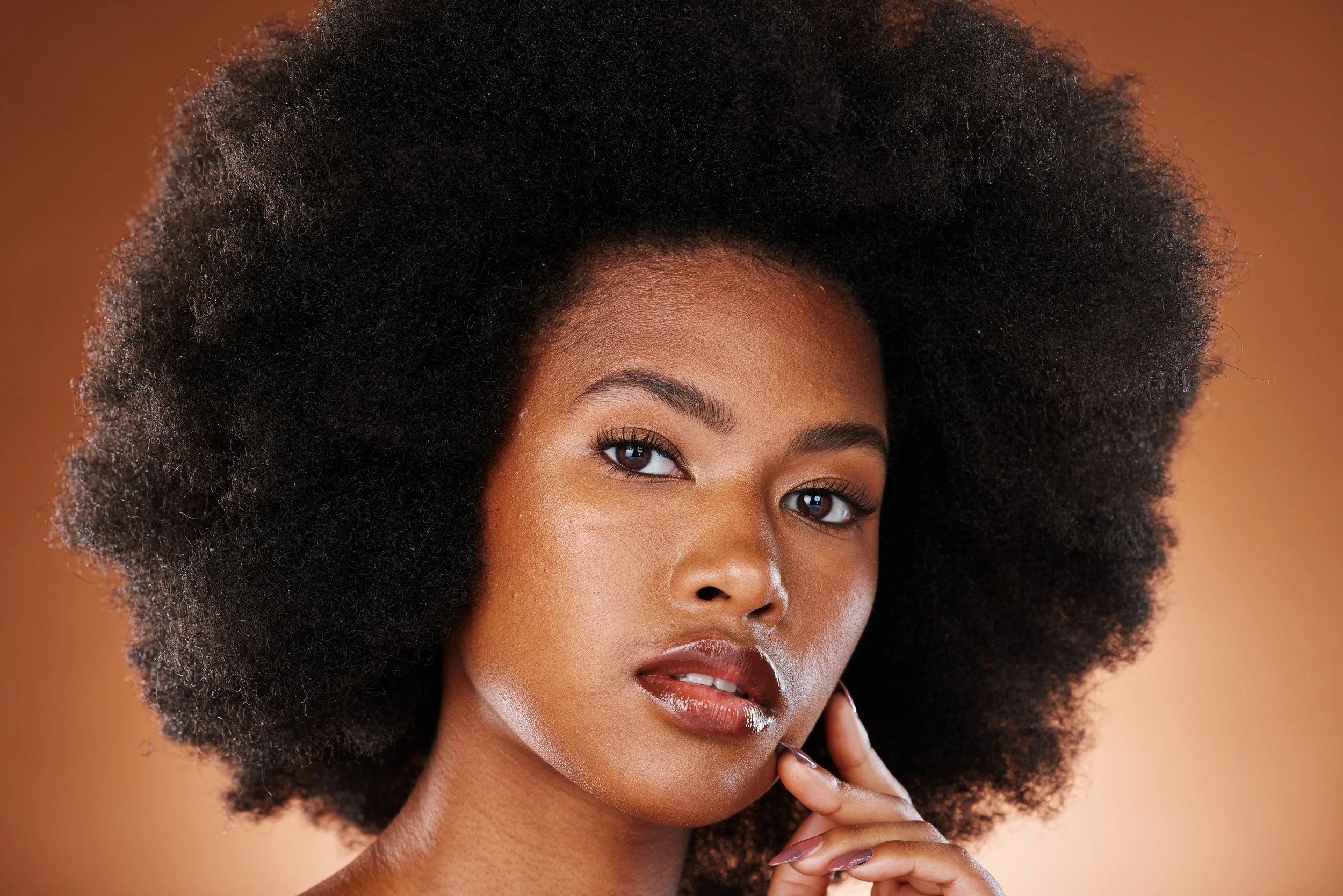
In many UK schools today, policies around “neatness” and “acceptable appearance” continue to reflect Eurocentric standards. Afro textured hair is often treated as something that must be managed or altered in order to fit in.
The impact is real. Research shows that 1 in 6 Black children in the UK report having a bad or very bad school experience because of their natural hair. This is not about isolated incidents. It reflects a wider system where Black identity is still treated as a problem to be corrected.
At the same time, anti Afro hair policies in UK schools have risen by 66.7%. Styles such as afros, braids and locs are still being restricted or banned under the guise of uniformity. The message remains consistent. Conform or face consequences.
This sits within a broader pattern of inequality. Black pupils have the highest permanent exclusion rate in the UK at 0.37% despite making up a small percentage of the population. Discipline is not applied equally and appearance plays a role in how behaviour is perceived.
Hair discrimination is not simply about aesthetics. It is about culture, identity and belonging. Styles like cornrows and locs carry history and meaning. Yet they are often labelled as “unprofessional” or “extreme” language that echoes long standing ideas about Blackness.
The effect on young people is significant. 41% of children with Afro textured hair say they feel pressure to change it just to feel accepted at school. This shows that for many Black children, belonging is conditional.
For Black girls, this pressure is even more pronounced. Their appearance is more heavily scrutinised and their identity more likely to be policed.
If schools are serious about inclusion, policies must go beyond surface level statements. They must recognise Afro textured hair in all its forms as valid and acceptable. They must also address the ways in which existing rules disproportionately affect Black students.
Because when a child is punished for wearing their natural hair, it is not about uniform. It is about whose identity is allowed to exist.
Black hair is not a disruption. It is not a violation.
It is heritage. It deserves to be respected in every classroom.